Fusies, overnames & Integraties:
Van twee organisaties naar één gezamenlijke koers
Understand drivers for successful integration. Strengthen collaboration and build a shared culture after mergers or acquisitions.
Fusies, overnames & Integraties:
Van twee organisaties naar één gezamenlijke koers
Zo helpt management drives bij fusies, overnames & integraties
Met inzicht in drijfveren worden verschillen beter begrijpbaar en kan je ze beter benutten. Dat versterkt samenwerking, ondersteunt de integratie en helpt bouwen aan een gezamenlijke toekomst.
De organisaties zijn samengevoegd. De structuur staat, processen zijn ingericht en verantwoordelijkheden zijn belegd. Toch merk je dat samenwerking niet vanzelf ontstaat. De integratie vraagt meer tijd.
Medewerkers brengen hun eigen werkwijzen, ervaringen en overtuigingen mee. Daardoor kunnen teams elkaar lastig vinden en kan er onbedoeld een gevoel van verschil ontstaan. Niet door onwil, maar doordat mensen vanuit verschillende achtergronden en drijfveren naar dezelfde werkelijkheid kijken.
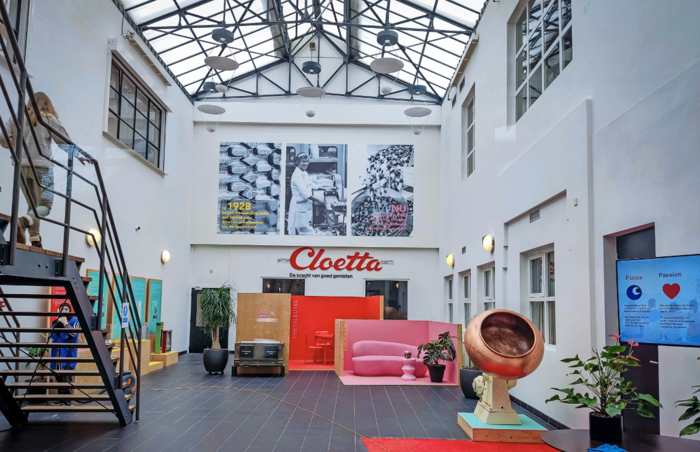
Een fusie brengt mensen met verschillende ervaringen, overtuigingen en werkwijzen samen. Wat voor de één vanzelfsprekend is, kan voor de ander juist nieuw of uitdagend zijn. Wanneer je begrijpt wat mensen motiveert en hoe zij omgaan met verandering, ontstaat meer begrip voor elkaars perspectief. Dat maakt verschillen bespreekbaar en helpt teams om vertrouwen op te bouwen en effectief samen te werken.

Veel integratietrajecten richten zich op structuur, processen en governance. De echte integratie krijgt vorm in de dagelijkse samenwerking tussen mensen.
Door inzicht in drijfveren ontstaat een gedeelde taal voor gedrag. Dat helpt verschillen te benutten, samenwerking te versterken en een gezamenlijke cultuur te ontwikkelen waarin mensen zich verbonden voelen.

1. Krijg inzicht
Breng drijfveren, teamdynamieken en culturele verschillen binnen de organisatie in beeld.
2. Maak verschillen bespreekbaar
Creëer begrip voor elkaars manier van samenwerken, communiceren en omgaan met verandering.
3. Versterk de verbinding
Bouw aan vertrouwen, benut verschillen en stimuleer samenwerking over team- en organisatiegrenzen heen.
4. Ontwikkel een gezamenlijke cultuur
Maak de gewenste manier van samenwerken onderdeel van de dagelijkse praktijk en bouw aan een gezamenlijke organisatiecultuur.

Organisaties die investeren in de menselijke kant van een fusie, overname of integratie:
Zo groeit een fusie uit tot één organisatie waarin mensen samen werken aan dezelfde ambitie.

Deze oplossing is waardevol wanneer: