
Mergers, Acquisitions & Integrations:
From two organizations to one unified direction

Understand drivers for successful integration. Strengthen collaboration and build a shared culture after mergers or acquisitions.
Mergers, Acquisitions & Integrations:
From two organizations to one unified direction
This is how management drives help with mergers, acquisitions & integrations
With insight into motivations, differences become more understandable and you can better utilize them. This strengthens collaboration, supports integration, and helps build a shared future.
The organizations have merged. The structure is in place, processes are set up, and responsibilities are assigned. Yet, you notice that collaboration does not happen automatically. The integration requires more time.
Employees bring their own methods, experiences, and beliefs. As a result, teams may find it difficult to connect, and an unintended sense of difference can arise. Not out of unwillingness, but because people view the same reality from different backgrounds and motivations.
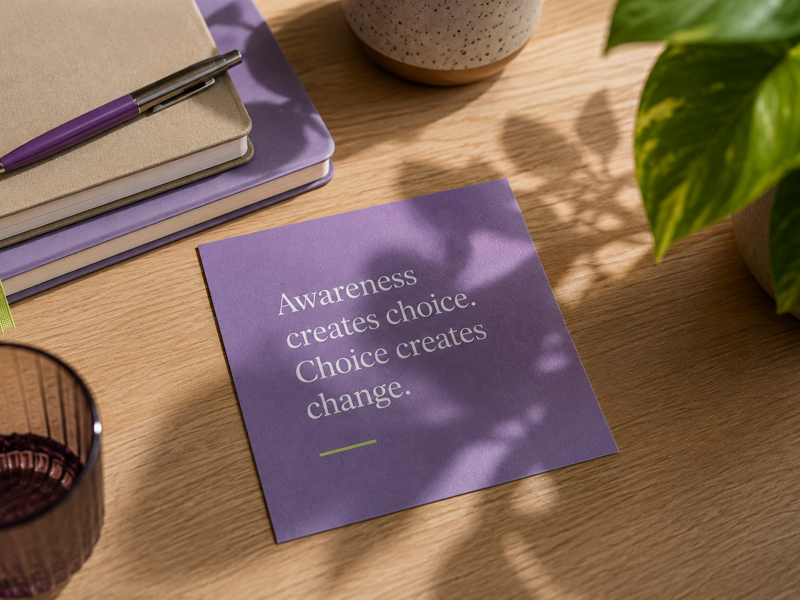
A merger brings together people with different experiences, beliefs, and ways of working. What is obvious to one person may be new or challenging to another. When you understand what motivates people and how they deal with change, it creates more understanding for each other's perspective. This makes differences discussable and helps teams build trust and work together effectively.

Many integration processes focus on structure, processes, and governance. The real integration takes shape in the daily collaboration between people.
By gaining insight into motivations, a shared language for behavior is created. This helps to leverage differences, strengthen collaboration, and develop a joint culture in which people feel connected.

1. Gain Insight
Identify drivers, team dynamics, and cultural differences within the organization.
2. Make Differences Discussable
Create understanding for each other's way of collaborating, communicating, and dealing with change.
3. Strengthen the Connection
Build trust, leverage differences, and encourage collaboration across team and organizational boundaries.
4. Develop a Shared Culture
Incorporate the desired way of collaborating into daily practice and build a shared organizational culture.

Organizations that invest in the human side of a merger, acquisition, or integration:
Thus, a merger grows into one organization where people work together towards the same ambition.

This solution is valuable when:

Discover in 20 minutes what
truly drives you.